Spring Digital Paper Pack: A Comprehensive Evaluation for Designers
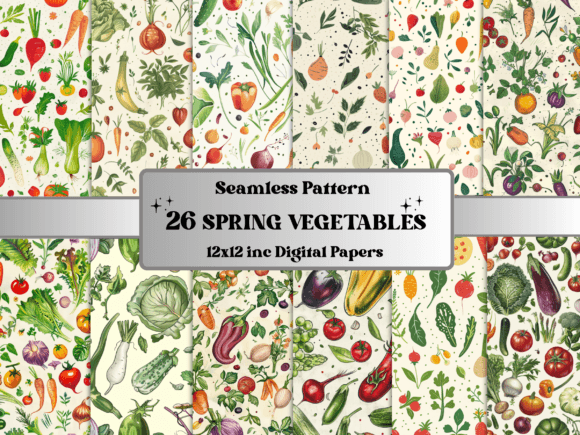
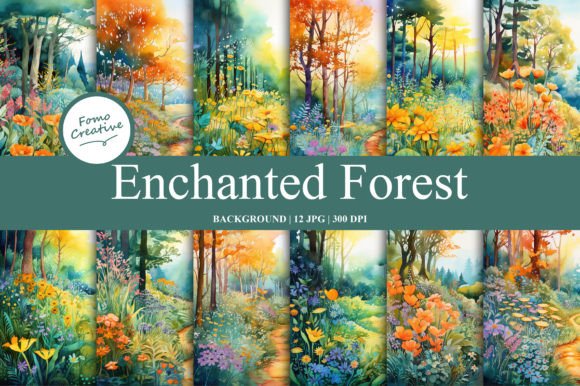
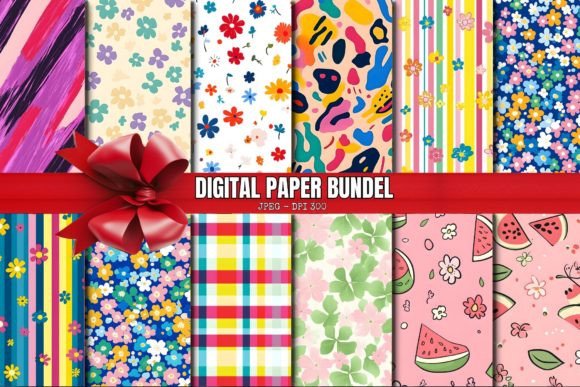
The Spring Digital Paper Pack represents a specific collection of digital assets designed to streamline the creation process for various creative projects. Consisting of 12 distinct JPG files, this pack is positioned as a versatile resource for individuals engaged in print-on-demand (POD) services, graphic design, and crafting. Understanding the scope, application, and limitations of this product is essential for anyone considering it for their workflow. This evaluation explores what the pack offers, who benefits most from its use, and how it fits into broader design strategies.
Understanding the Product Composition
At its core, the Spring Digital Paper Pack is a collection of high-resolution image files formatted as JPGs. The inclusion of exactly 12 unique patterns provides a curated selection rather than an overwhelming library. For users familiar with digital asset management, JPG format offers broad compatibility across almost all software platforms, from professional Adobe Creative Cloud applications to free online editors like Canva or GIMP.
The primary utility of these files lies in their resolution and color fidelity, which are critical when scaling designs for physical products. Unlike vector files that can be infinitely resized without quality loss, JPGs are raster-based. Therefore, the initial quality of the 12 images determines their viability for large-format printing. Users should verify that the file dimensions meet the standard requirements for their intended output, particularly for POD vendors who often require high DPI (dots per inch) specifications to ensure crisp edges and vibrant colors on materials like fabric or wall art.
Primary Use Cases and Applications
The versatility of the Spring Digital Paper Pack stems from its suitability for a wide range of creative outputs. The following areas represent the most common and effective applications:
- Wall Art and Printable Designs: These patterns serve as excellent backgrounds for framed prints, posters, and downloadable PDFs. Their aesthetic aligns well with seasonal decor trends, making them relevant for spring-themed home aesthetics.
- Cutting Machine Projects: For enthusiasts using Silhouette Studio or Cricut Design Space, these images can be imported as background layers. They allow crafters to cut intricate shapes over patterned surfaces or to create layered stickers and decals.
- Print-on-Demand Merchandise: This is a significant area of interest. The patterns are suitable for sublimation printing on T-shirts, tote bags, phone cases, and homeware items like mugs and pillows. The seamless nature of many digital papers ensures they tile correctly on large surface areas.
- Digital Branding and Web Design: Graphic designers can utilize these textures for website backgrounds, social media story templates, and email newsletters. They add visual depth to flat layouts without requiring complex illustration work.
- Stationery and Planning: The designs are appropriate for creating custom notebooks, planners, and journal covers. When printed on cardstock, they offer a professional finish for small business owners selling organizational tools.
Evaluating Benefits and Practical Considerations
When deciding whether to integrate the Spring Digital Paper Pack into a project, several factors must be weighed. The advantages are primarily centered around efficiency and cost-effectiveness.
Time Efficiency: Creating original texture backgrounds from scratch requires significant time and artistic skill. Using a pre-made pack allows designers to focus on layout, typography, and composition rather than generating base patterns. This accelerates the production timeline for clients or personal ventures.
Cost-Effectiveness: Compared to hiring a designer to create custom textures, purchasing a digital pack is a low-risk investment. It provides access to multiple styles for a single price point, offering a high return on investment if the patterns are used across multiple products.
However, there are tradeoffs associated with using pre-made digital assets. The most notable limitation is the lack of uniqueness. Since these 12 JPGs are available to any purchaser, competitors may produce identical designs. In a saturated market like Print on Demand, relying solely on popular packs can make a brand appear generic. To mitigate this, designers often layer text, combine multiple patterns, or overlay other elements to create a composite design that feels original.
Technical Expectations and Limitations
Users must have realistic expectations regarding file formats. Because the pack consists of JPGs, they do not support transparency. This means that if a user wants to place a pattern behind a shape with irregular edges, they cannot simply "erase" the background; they must mask the image within their design software. Additionally, while JPGs are convenient, they do not offer the editability of SVG or AI files. Once saved, the pixels are fixed, meaning color adjustments must be made through global image editing tools rather than by changing individual vector paths.
Situational Fit: Who Should Use This Pack?
The Spring Digital Paper Pack is a strong fit for specific types of creators and scenarios:
- Small Business Owners: Entrepreneurs launching POD stores need quick, reliable assets to populate their catalogs. This pack allows for rapid prototyping and testing of different product lines without upfront design costs.
- Hobbyists and Crafters: Individuals engaging in DIY projects benefit from the ease of use. The ability to import files directly into cutting machine software simplifies the creation of personalized gifts.
- Content Creators: Social media managers and bloggers looking to enhance the visual appeal of their posts can use these backgrounds to maintain a consistent, seasonal aesthetic.
When Alternatives May Be Preferable
Despite its utility, this pack may not be the optimal choice for every situation. There are scenarios where investing in alternative resources would yield better results:
- Need for Vector Scalability: If a project requires resizing a logo or pattern to massive billboard dimensions without any pixelation, a vector-based pack (SVG/EPS) is superior. JPGs will eventually lose quality when enlarged beyond their native resolution.
- Requirement for Unique Branding: Established brands seeking a distinct visual identity may find 12 generic patterns insufficient. Custom-commissioned illustrations or proprietary texture creation ensures that the brand remains distinguishable from competitors.
- Complex Layering Needs: Projects requiring extensive manipulation of individual elements within the pattern might struggle with raster-only files. Users needing to isolate specific floral motifs or geometric shapes would benefit more from layered PSD or vector files.
Decision-Making Insights
To determine if the Spring Digital Paper Pack aligns with your goals, consider the following checklist before purchasing:
First, assess your technical requirements. Check the resolution of the provided JPGs against the minimum standards of your chosen POD provider. If the files are too small, they will result in blurry prints, regardless of the design's creativity.
Second, evaluate your licensing terms. Ensure the license permits commercial use, especially for POD products. Some digital paper packs restrict usage to personal projects only. Confirming this prevents potential legal issues later.
Third, analyze the aesthetic cohesion. Do the 12 patterns share a consistent color palette and style? A cohesive set allows for easier mixing and matching, whereas a disjointed collection may limit design flexibility.
Ultimately, the value of the Spring Digital Paper Pack lies in its ability to bridge the gap between idea and execution. For those prioritizing speed, affordability, and versatility in spring-themed designs, it serves as a functional tool. However, for those prioritizing absolute uniqueness or technical scalability, supplementary resources or custom creation may be necessary.
By carefully weighing these factors, creators can make an informed decision that supports their specific workflow and business objectives. Whether used for a single weekend craft project or as part of a year-round merchandise strategy, understanding the capabilities and constraints of digital assets is key to successful design outcomes.